
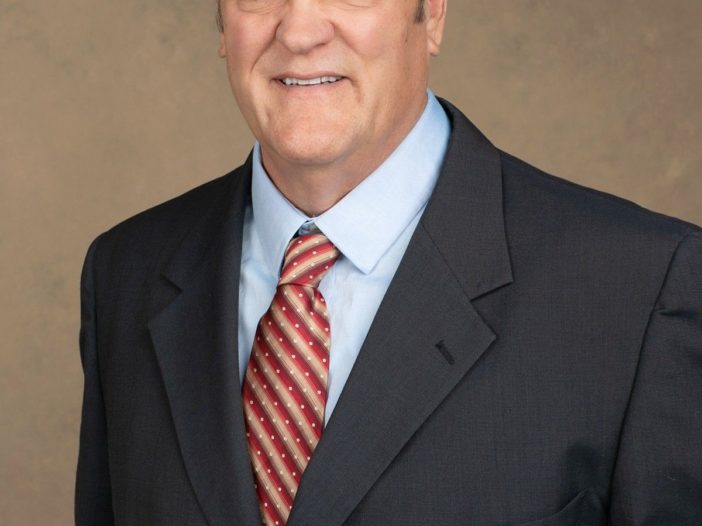
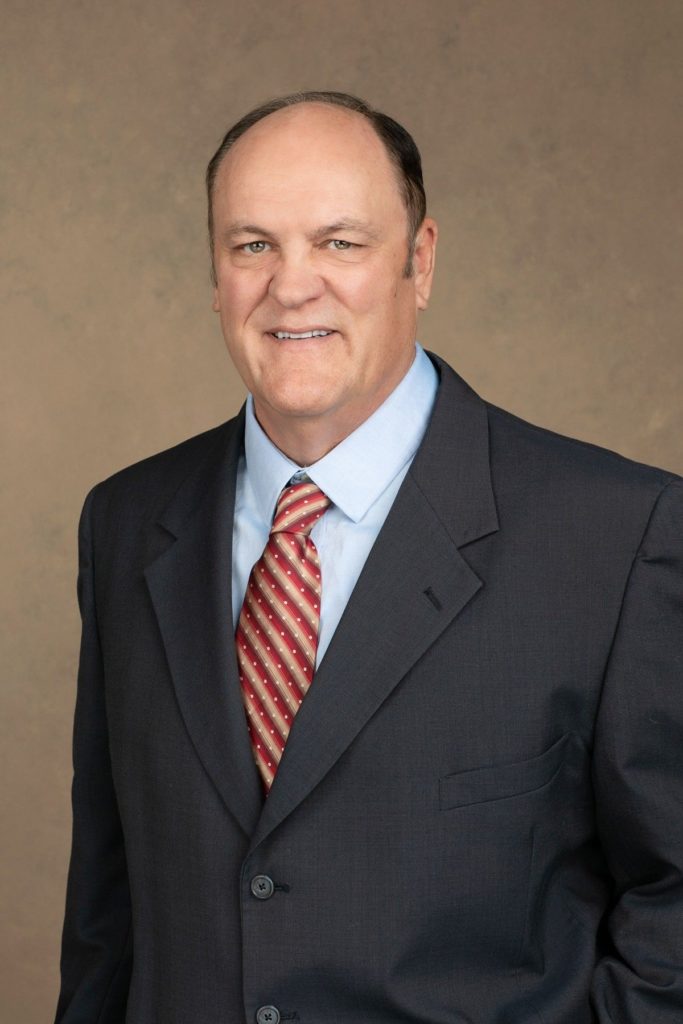
Attorney W.B. Moore
I started practicing Business Law and Estate Planning in Beverly Hills, even before I graduated from law school at UCLA in 1982. I worked with Hollywood types, many of whose names you would know, and developed a specialty in tax law.
In 1983 I moved to New York to work with one of the large law firms on Wall Street. My practice was cutting-edge tax and estate planning and it was a lot of fun. There’s nothing better than solving difficult tax and business problems that help your clients to better serve their customers. And I practiced at the high end of estate planning, working for any number of wealthy clients even including (literally) heirs to the Rockefeller fortune. It was great for the ego, but not for the family. I had a great practice and a wife and five kids I never saw. So, in 1994 we simplified our lives and moved to Champaign, Illinois, a college town much like Fort Collins.
In Champaign, I taught for two years as a full-time Professor at the University of Illinois College of Law. I loved teaching but my New York clients kept sending me work. So, I decided to leave the full-time Professor position but stay in Champaign while working for those clients and building a local practice. It was the best of both worlds. I had a very sophisticated business law and estate planning practice for wealthy clients who could pay for me to keep current with the latest ideas for complex situations. And then I could bring that perspective to local clients, which they greatly appreciated. I was also able to continue teaching. I taught “Legal Issues in Entrepreneurship” for about 15 semesters in the U of I’s Graduate School of Engineering and helped a number of students and professors found and fund businesses to commercialize their research.
Then in 2009 life took a difficult turn when I suffered a spinal cord injury. I had to end my practice while beginning a 10-plus year journey of surgeries, rehab, exercise, and rest. I did not expect to ever work again. To make things easier, my wife and I moved to Fort Collins in November 2017, to be near grandkids and continue my recovery.
And those efforts have paid off. While I still have mobility issues, I am able to practice again. I handled a number of projects from home during 2019 and opened an office in February 2020.
I originally planned to work just 10-15 hours a week- enough to stay busy. But the practice quickly took on a life of its own. I now put in a full-time week, advise the law firm of Minor Keele Parke on estate planning and probate issues, and recently opened a new office in Denver.
Even with a full plate professionally, I make time for what matters most: my wife of nearly 50 years, our children, and our 15 grandchildren.
It’s a full life- and I’m grateful for every part of it.
Give me a call. Let’s see what you need and see if I can give you peace of mind about your family, financial, and business law concerns.
What Documents Are Included In An Estate Plan?
A comprehensive plan typically includes a will, trust, durable power of attorney, healthcare directive, and beneficiary designations. Your will lists your assets, your wishes to distribute them, your funeral and burial wishes, and can designate a guardian for a minor child. Trusts preserve assets for the financial benefit of a beneficiary and can bypass probate. The Power of Attorney designates a trusted individual to make decisions about your healthcare finances and other critical matters. Estate planning documents work in tandem to ensure your assets are properly distributed and protect you when you cannot advocate for yourself.
What Types Of Power Of Attorney Are There?
There are several types of power of attorney. A durable power of attorney (POA) gives someone decision-making powers that take effect when you are determined to be incapacitated. A limited power of attorney allows your designated representative authority to make financial or healthcare decisions on your behalf, but not both. Different types of POA documents give different levels of authority, but all must be completed according to the requirements set by state law for a doctor or financial institution to honor them. A general POA gives broad authority to handle most matters, while a limited POA gives authority for specific tasks or a set time period.
Do All Estates Have To Go Through Probate?
Not always. Small estates or those with assets held in joint ownership or trust may avoid probate. Assets held in a trust do not have to go through probate for the secondary beneficiary to access or benefit from them. Assets with a transfer-on-death deed do not need to go through probate, either, as the deed automatically passes to the person listed on it. Your Colorado estate planning lawyer can advise you of what must go through probate and offer steps to take to avoid it.
What’s The Difference Between A Revocable And An Irrevocable Trust?
A revocable trust can be changed during your lifetime. The grantor, or person who created the trust, is usually the trustee (trust administrator), but they don’t have to be. Additionally, the grantor of a revocable trust retains legal control over the assets in the trust, and so in some situations, these assets can still be considered legally theirs. An irrevocable trust, on the other hand, generally cannot be changed (unless one of a few narrow situations applies). And, the grantor is no longer legally in control of the trust’s assets. Irrevocable trusts also offer greater tax and asset protection benefits.
Can I Disinherit Someone In My Will?
Yes, in Colorado, you can disinherit someone in your will, but you must explicitly state that you are disinheriting them. This does not apply to your spouse, however. They retain an elective share of your estate, no matter what you say in the will. Your estate planning attorney can explain who you can disinherit (basically, everyone else aside from your spouse) and craft your will with the right language to do so.
Client Review
“I highly recommend W.B. Moore Law! He provided clear and knowledgeable guidance on probate and estate planning, answering all my questions with patience and expertise. His advice saved me both time and money, and I truly appreciate his professionalism and efficiency. If you need legal help in this area, William is definitely the person to call!”
Shannon Jorgensen